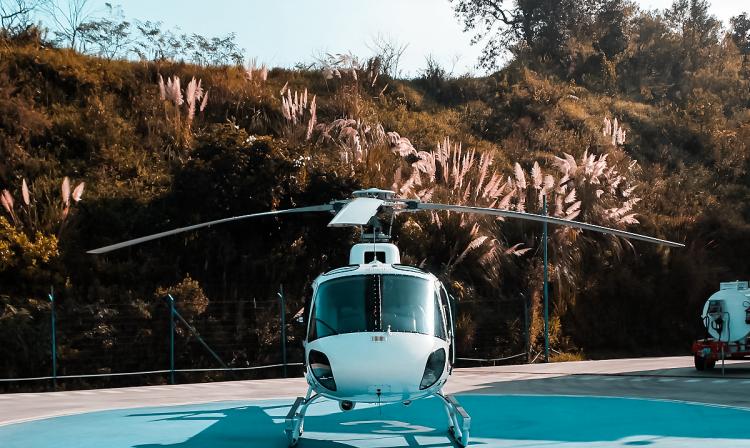
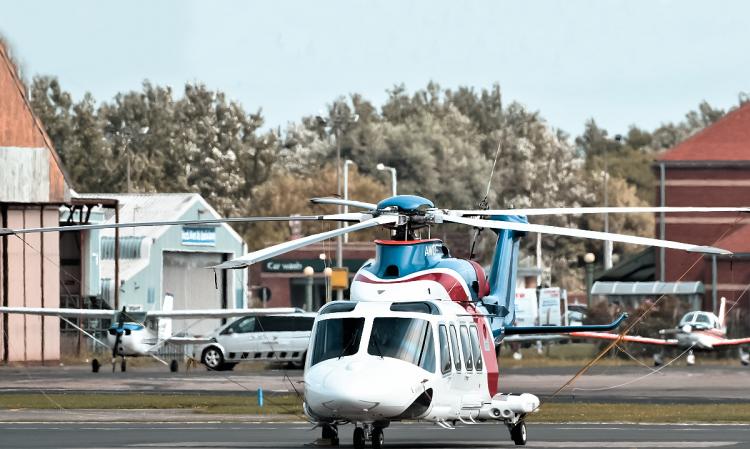
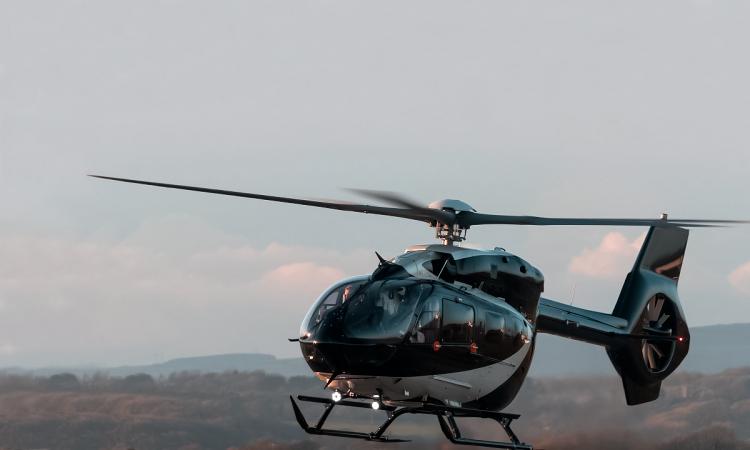
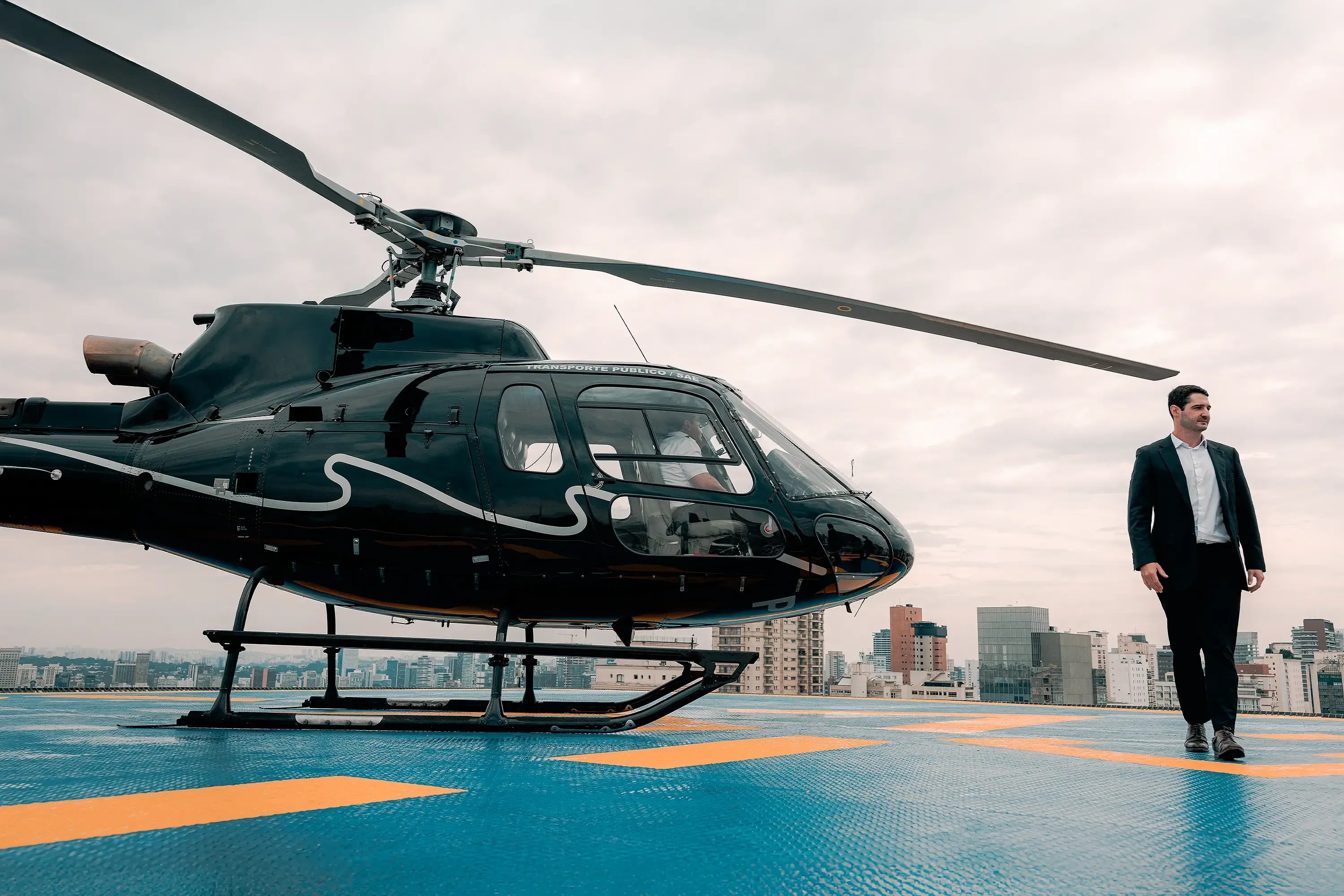
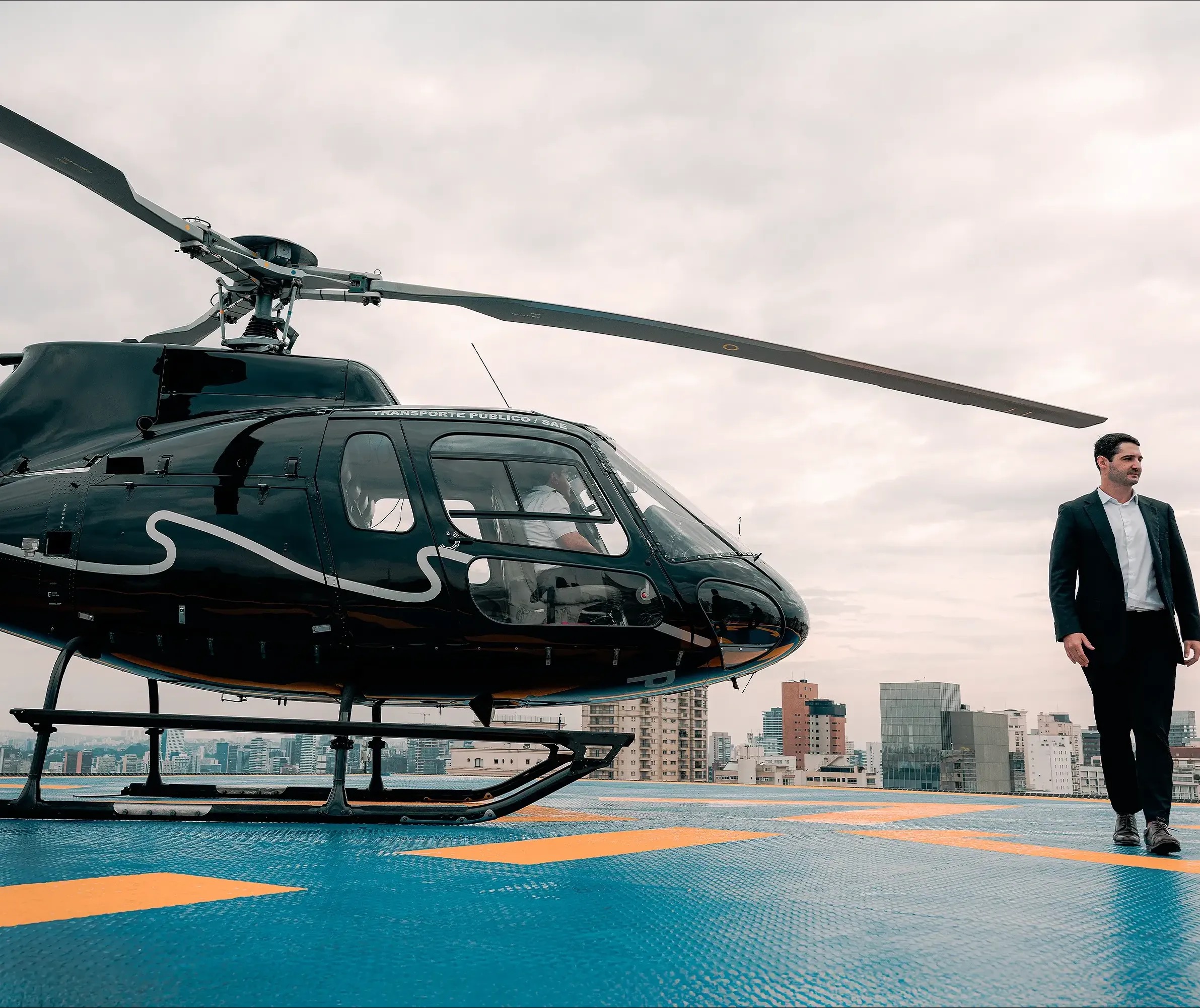
Need details on luggage capacity, night flights, or safety protocols? Our aviation experts have compiled everything you need to know about chartering a private helicopter, ensuring your urban and intercity transfers are seamless, secure, and perfectly planned.
Frequently Asked Questions: Helicopter Transfers & Charters
How much does a private helicopter transfer cost?
The cost of a helicopter transfer depends on the flight duration, route, and the type of helicopter. In {{year}}, chartering a single-engine helicopter for a short urban transfer typically starts at $2,000 per hour. Premium twin-engine helicopters, offering enhanced safety and higher capacity, starts at $4,500 per flight hour. Flapper's platform provides instant, transparent quotes with no hidden fees.
What is the difference between single-engine and twin-engine helicopters?
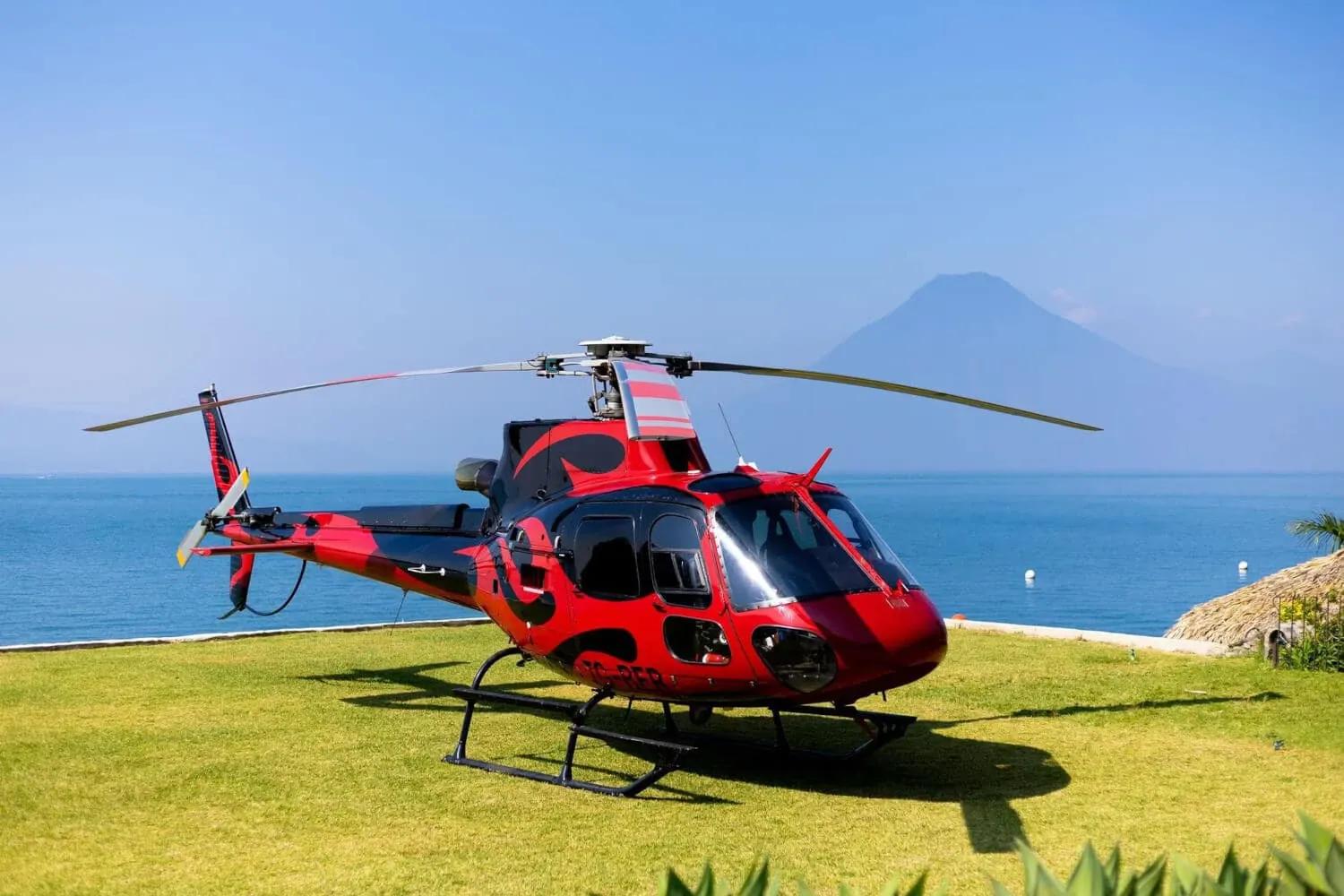
Single-engine helicopters are highly agile and cost-effective, ideal for short daytime flights in good weather. Twin-engine helicopters feature two redundant engines, providing a higher level of safety and reliability. Twin-engine models are faster, have larger cabins, and are often legally required for flying at night, over large bodies of water, or over densely populated urban centers.
How much luggage can I bring on a helicopter charter?
Helicopter luggage compartments are significantly smaller than those of private jets. A standard light helicopter can accommodate about 3 to 4 soft duffel bags (approximately 15 kg per person). For golf clubs, skis, or hard-shell suitcases, a larger twin-engine helicopter is required. Always inform your Flapper flight specialist about your luggage in advance so we can ensure the proper aircraft is selected.
Where can a private helicopter land?
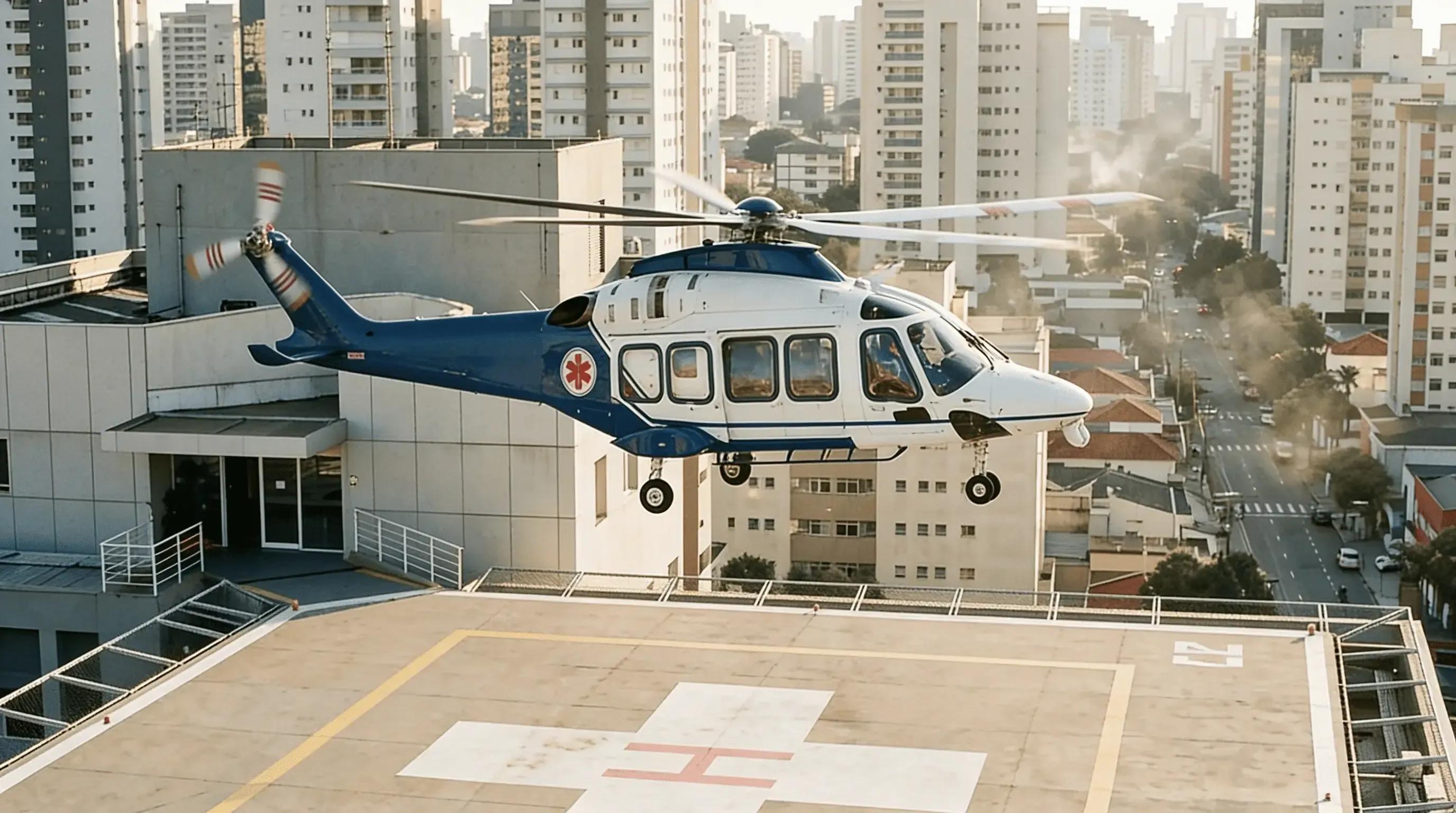
Helicopters offer incredible flexibility, but they cannot land just anywhere. They must land at approved airports, designated public or private urban helipads, or on private properties (such as farms, resorts, or estates) that have a suitable, safe clearing. Landing on private property always requires prior authorization from the landowner and a safety assessment of the terrain.
Can helicopters fly at night or in bad weather?
Yes, but it depends on the aircraft's equipment and local aviation regulations. Twin-engine helicopters equipped for Instrument Flight Rules (IFR) can fly at night, in light rain, and through low visibility. Most single-engine helicopters operate under Visual Flight Rules (VFR) and are restricted to flying during daytime and in clear weather conditions to ensure maximum safety.
Are private helicopter charters safe?
Yes, executive helicopter charters are extremely safe when booked through a certified platform. Flapper operates strictly with certified Part 135 operators. As an ARGUS-certified company, we ensure that every helicopter in our network undergoes rigorous third-party safety audits, real-time airworthiness checks, and is flown by highly experienced, simulator-trained pilots.
How far in advance do I need to book a helicopter transfer?
While we recommend booking at least 24 to 48 hours in advance to ensure the best aircraft availability and to secure necessary helipad landing permits, Flapper's network allows for rapid mobilization. In urgent scenarios, our team can organize a helicopter transfer in as little as two hours, subject to aircraft positioning and airspace approvals.
What happens to my helicopter charter if the weather is bad?
Safety is our absolute priority and aviation weather minimums are strictly enforced. If your flight is restricted due to severe weather conditions, our flight coordination team will proactively communicate with you. We will offer alternatives such as delaying the departure until the weather clears, upgrading to an IFR-equipped twin-engine helicopter if the route permits, or rescheduling the flight entirely.